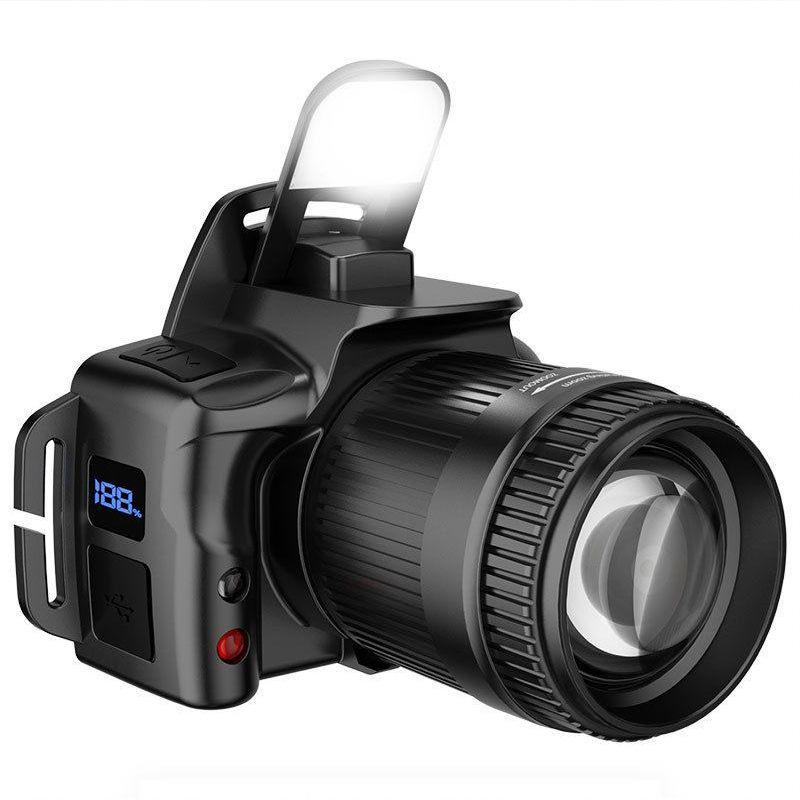
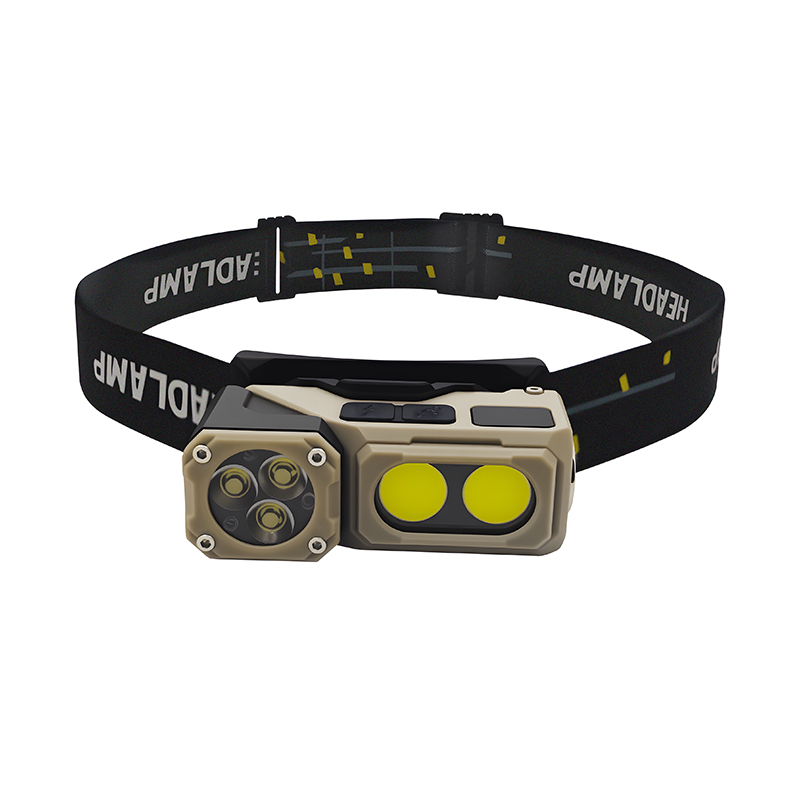
Rechargeable Headlamps for Fishing and Outdoor Wholesale
Compare head-worn, clip-on and ear-hook lighting formats for fishing, cycling, repair and outdoor work. Start with how the user wears, aims and controls the light, then confirm the exact configuration and sample.
Flexible wearing and mounting
Review rotation, magnetic attachment and sensor-control options for the selected model.
Channel-focused selection
Match the product to fishing, cycling, tool, service or outdoor retail channels before confirming the range.
Private-label project support
Discuss samples, logo, packaging, product files and destination-market requirements for the chosen configuration.
Start with the T500 rotating multi-mount headlamp.
Review T500 beam modes, sensor control, rotation, magnetic and clip mounting, battery, charging and private-label options before requesting a sample.
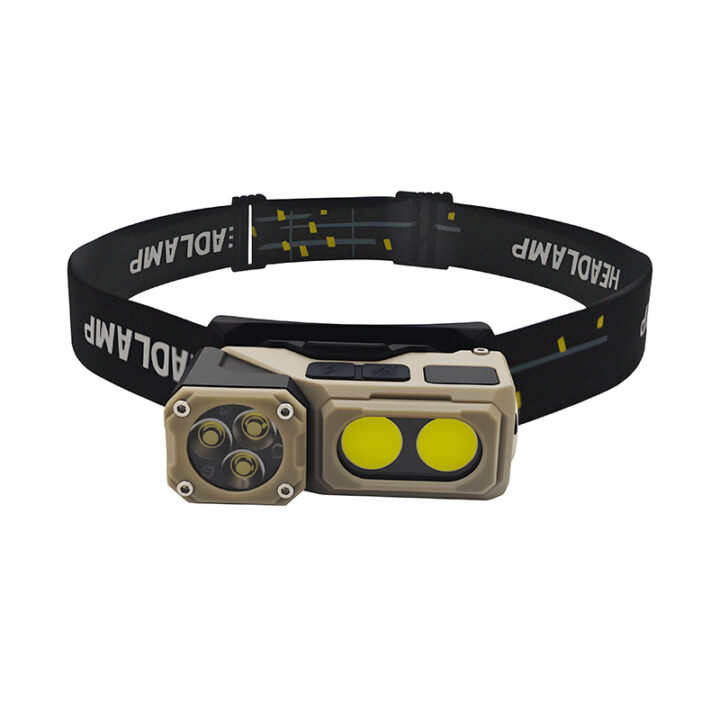
Review the model-owned configuration before sampling.
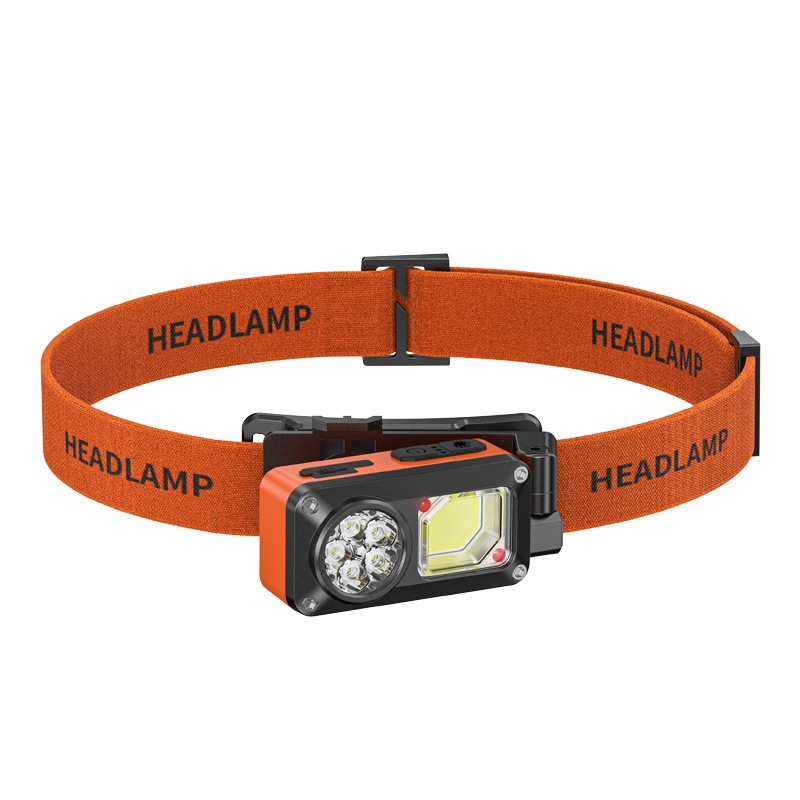
TD-0280A Sensor Headlamp
Review the published sensor-headlamp configuration, intended use and package references before sampling.
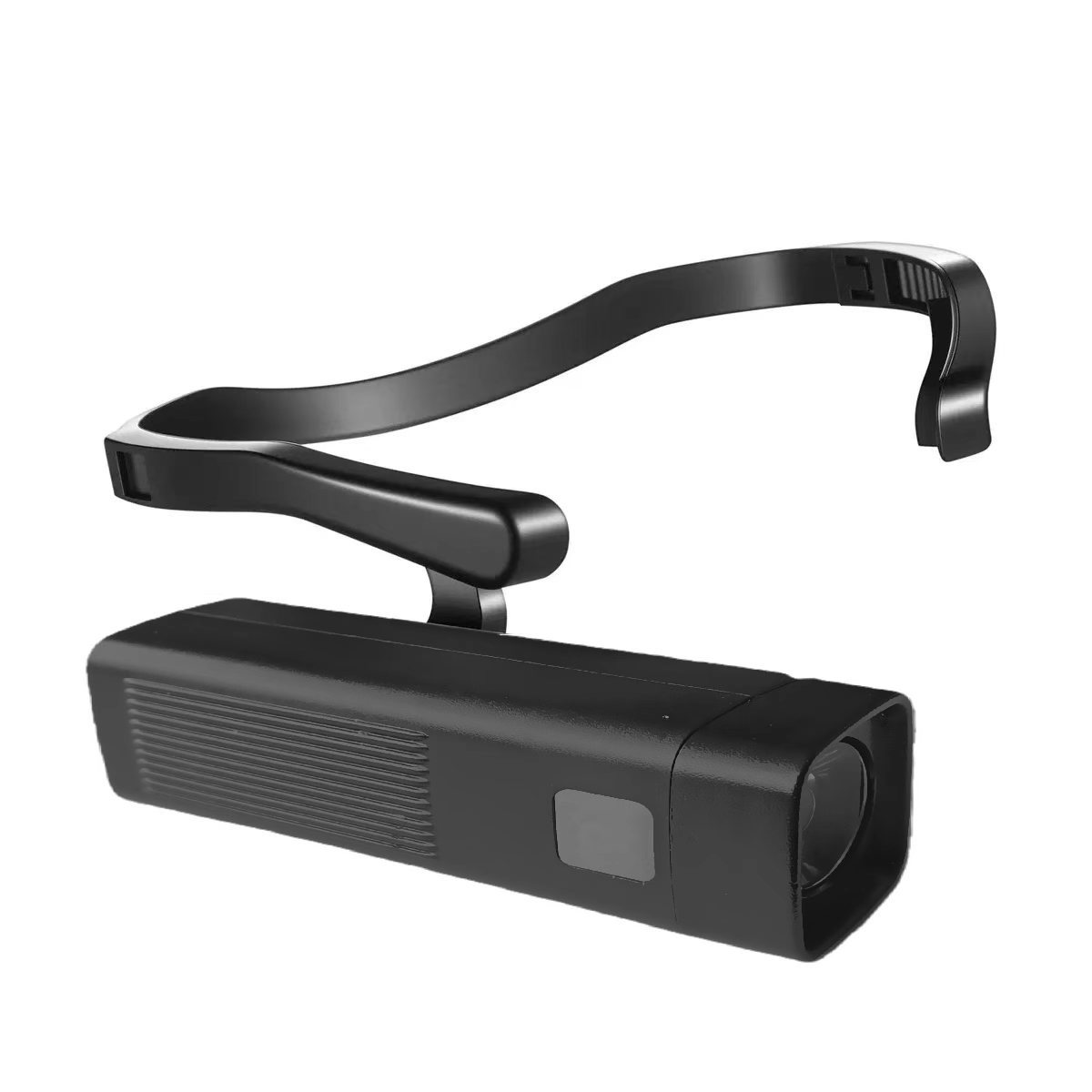
Review this model PRODUCT PAGE6818 Ear-Hook Sensor Light
A compact ear-hook format; confirm control behaviour, fit, battery and charging on the product page and sample.
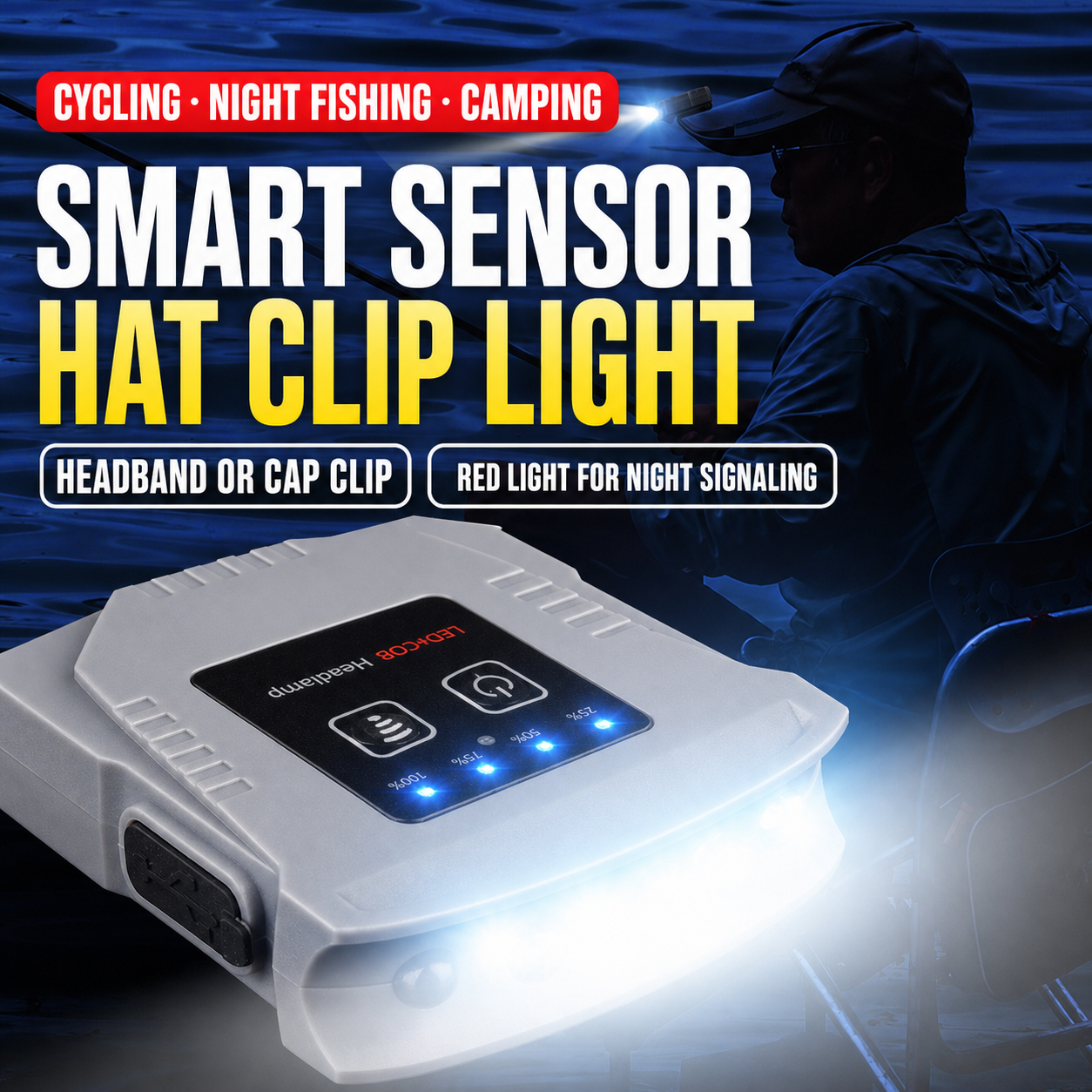
Review this model PRODUCT PAGELED COB Sensor Hat Clip Light
A clip-on format for hands-free positioning; verify the selected configuration before quotation.
Review this model PRODUCT PAGET2401 Red-Blue Sensor Hat Clip Light
A published sensor hat-clip format; review its current modes, fit and packaging before sampling.
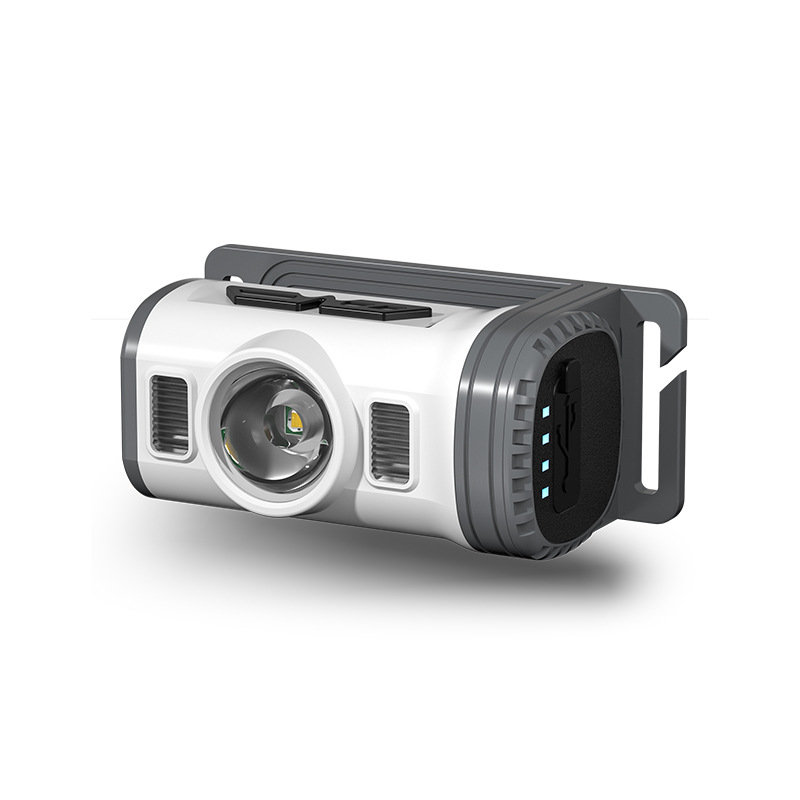
Review this model PRODUCT PAGEU8 Zoom Sensor Headlamp
A zoom-style sensor headlamp; confirm its exact beam, battery, charging and package configuration.
Review this modelStart with how the user wears, aims and controls the light.
A target-use sample should confirm fit, control behaviour, beam positioning and the selected charging and package configuration.
Headband
Stable wearing for fishing, repair and longer outdoor-task sessions.
Hat or gear clip
Compact positioning on a cap, tool, pocket or compatible gear.
Ear-hook
A lightweight wearable format where compactness is the selling point.
Sensor or zoom format
Confirm hands-free control behaviour or adjustable-beam operation on the exact sample.
Send the facts needed for a useful shortlist.
- Target wearing and mounting method
- Beam position and required control
- Battery and charging routine
- Fit test for the intended activity
- Logo, headband and retail-pack scope
- Exact model and destination-market files
Define customization after the base model.
- Logo, colour and rating label
- Headband artwork where applicable
- Retail pack, manual and barcode
- Cable, clip or accessory bundle
- Selected sensor and mode review
- Multipack scope by written quotation
MOQ, sample availability, lead time and applicable files are confirmed for the selected model, configuration, quantity and destination market.
Review the OEM / ODM workflowQuestions to settle before quotation.
Answers apply to the selected model and written configuration, not automatically to every product in the family.
Which headlamp should buyers start with?
Use T500 when a rotating, sensor-controlled, multi-mount platform fits the channel. Review the other published formats when the program prioritizes ear-hook, hat-clip or zoom-style use.
Does every model use the same sensor?
No. Control behaviour must be checked on the selected product and approved sample.
Can headband artwork and packaging be branded?
They can be assessed during sample and quotation review for the selected model.
Which documents are available?
Availability depends on the exact model, battery, charger and destination market.
Review the range from your buying role.
The same product needs different evidence for distribution, marketplace retail and project use.
Build a repeatable assortment.
Compare price position, carton structure, mixed-SKU needs, repeat-order support, warranty and spare-part requirements.
Prepare a channel-ready SKU.
Confirm barcodes, FBA/carton labeling, packaging, listing assets and the required documents for the destination market.
Validate the application.
Review output, runtime, beam, mounting, environment, charging, installation and any configuration-specific test files.
Confirm the model or send the project brief.
Tell us the destination market, use case, target quantity, customization scope and required delivery window.