
Warm versus cool white camping lights is a choice about the appearance of the light, not simply its brightness. Start with the activity and setting: a relaxed shared table may call for a warmer look, while a task-focused setup should be assessed for visibility, shadows and comfortable output.
For Amazon sellers, importers and outdoor brands, the important step is turning words such as “warm,” “white” and “three-color” into an agreed product specification. A mode name alone does not tell a customer its exact color temperature, brightness or runtime.
1. Kelvin is not the same as lumens
Correlated color temperature (CCT), expressed in kelvin (K), describes the color appearance of white light. Lower values generally look warmer or more yellow; higher values look cooler or more blue-white. Lumens describe total visible light output, while watts describe power. The US Department of Energy treats these as separate characteristics in its light-buying guidance.
As familiar reference points, 2,700–3,000 K is commonly associated with a warm appearance. Treat such numbers as general examples, not as the specifications of every camping lantern. Supplier labels differ, so request the nominal CCT and tolerance for each mode instead of relying only on names.
Color rendering is another separate question: it concerns how object colors appear under a light. A CCT value does not establish color-rendering quality. If color fidelity is important to your range, ask for the relevant measured data rather than assuming that “natural white” guarantees it.
2. Choose the light color for the activity
Dining and social spaces
A warmer appearance is a useful starting point to sample for relaxed evening use. Put the lantern in the real seating arrangement and compare a few brightness levels. A warm lamp that is too bright or badly placed can still be uncomfortable to look at.
Packing, organizing and practical tasks
For finding equipment or preparing a work surface, compare the available white-light modes at a comfortable setting. Ask users whether labels and small objects are easy to see and whether their hands create shadows. Do not assume that a cooler-looking mode produces more useful illumination merely because it looks whiter.
Inside the tent
Try the lowest practical setting before choosing the color. Test switch access, the direction of the light and whether the user can avoid looking into the emitter. A mode that feels pleasant above a large table may feel excessive in a small tent.
DarkSky’s outdoor-lighting principles favor warmer colors where possible, targeted light and no more illumination than needed. Those recommendations can guide an after-dinner camping setup without implying that any particular lantern is DarkSky certified. See the lighting principles. For placement ideas, use our tent, table and path lighting guide.
3. Check what “multi-mode” actually means
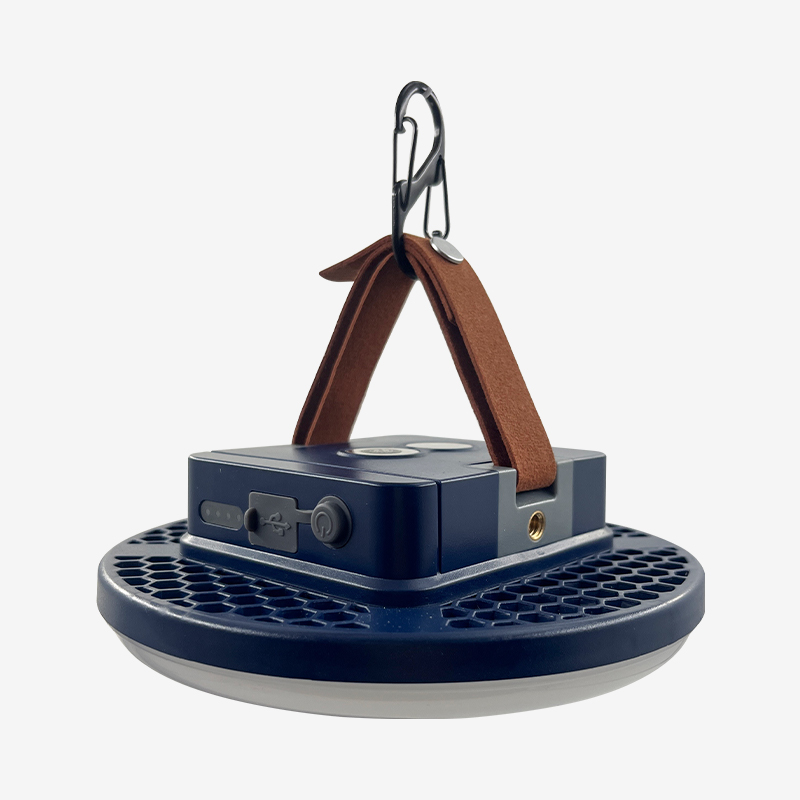
The BAIFEI B06 product page lists white, warm and natural light among its available modes. Use the product page to shortlist the model, then confirm the required mode sequence and the exact configuration for your order.
Keep these functions separate in your specification:
- Color selection: fixed white-light choices or an adjustable color-temperature range.
- Brightness selection: stepped settings or continuous dimming, if offered.
- Special modes: red or flashing functions, listed separately from the white-light choices.
- Control behavior: button sequence, power-on mode and any memory function, if specified.
A product with three fixed color settings is not automatically a continuously tunable light. Likewise, switching to a warmer mode does not automatically promise a longer runtime. Request output and runtime information for the mode that your listing will emphasize.
4. Compare samples without being misled by photos
Side-by-side sample evaluation is more useful than comparing unrelated promotional images. Use the same room or sheltered campsite position, mounting height and target surface. Record the selected mode and brightness rather than writing only “lamp on.”
- Check the paperwork: request each mode’s nominal CCT, output data and the measurement conditions available.
- Check the experience: view a tabletop, fabric and printed label under each setting. Note glare and shadows separately from color preference.
- Check the controls: ask someone unfamiliar with the lamp to find the intended mode without coaching.
- Check repeatability: keep the approved sample and written settings as the reference for production inspection.
A camera or screen can change the apparent color. If photographing a comparison, keep exposure and white balance consistent and explain that the image is illustrative, not a substitute for a measurement report. Avoid editing a scene so heavily that it promises a color the approved lamp does not produce.
5. Make the retail listing and packaging easier to trust
Replace broad claims such as “perfect light for every activity” with useful details. Show the available modes, explain how to select them and describe the application shown in the photo. Put confirmed values beside the relevant setting, not beside a collage that makes every feature look simultaneous.
For an OEM or private-label camping-light project, agree on the mode names across the manual, carton and online listing. Keep battery capacity, charging information and runtime in their own fields. The B06 sample-to-packaging checklist provides a practical way to organize those approvals.
Frequently asked questions
Is warm white less bright than cool white?
Color appearance alone cannot answer that. Compare the lumen output and useful illumination of the actual modes at their stated settings. Do not use kelvin as a brightness rating.
Does a warm camping light repel mosquitoes?
Do not describe a standard warm-white lantern as a mosquito repellent without product-specific evidence. Choose its color for the intended lighting experience, and follow appropriate campsite insect precautions separately.
What should I request in a wholesale sample brief?
Specify the intended activity, preferred white-light modes, brightness control, required runtime setting and packaging language. Ask for a sample and supporting specifications for that exact configuration.