
A useful camping-light quotation lets your team see exactly what it is buying, which costs are included and what still needs a decision. Start with a structured request for quotation, or RFQ, that every supplier can answer in the same format. This is especially helpful when comparing several models or evaluating a branded version beside a standard product. The checklist below turns a general price enquiry into a clear purchasing brief without requiring you to settle every detail before the first conversation.
By BAIFEI Outdoor Lighting · Wholesale & OEM buyer guide
1. Give each model and variant its own quotation line
List the model, requested quantity, housing colour, branding and included accessories on separate lines. Identify any configuration that is still open for discussion. If you need several quantity options, request the same options from every supplier.
Keep first-order demand separate from an annual forecast. A forecast helps explain the opportunity, but the quotation should clearly identify the quantity being purchased now. Ask how minimum quantities apply to each model and colour split. The B-Series comparison can help define a focused model mix before sending the RFQ.
2. Separate unit prices from project charges
Request the unit price in a stated currency and a clear list of what it includes. Put logo setup, artwork preparation, tooling or other one-time charges on separate lines wherever applicable. Ask whether any charge repeats when you reorder.
Define the retail pack and accessory set used for the quotation. A cable, manual, label or box should be identified as included, optional or awaiting confirmation. Record the quotation date, validity period and proposed payment terms. This makes it easier to update a comparison when one detail changes instead of requesting an entirely new estimate.
3. Request carton data for the quoted configuration
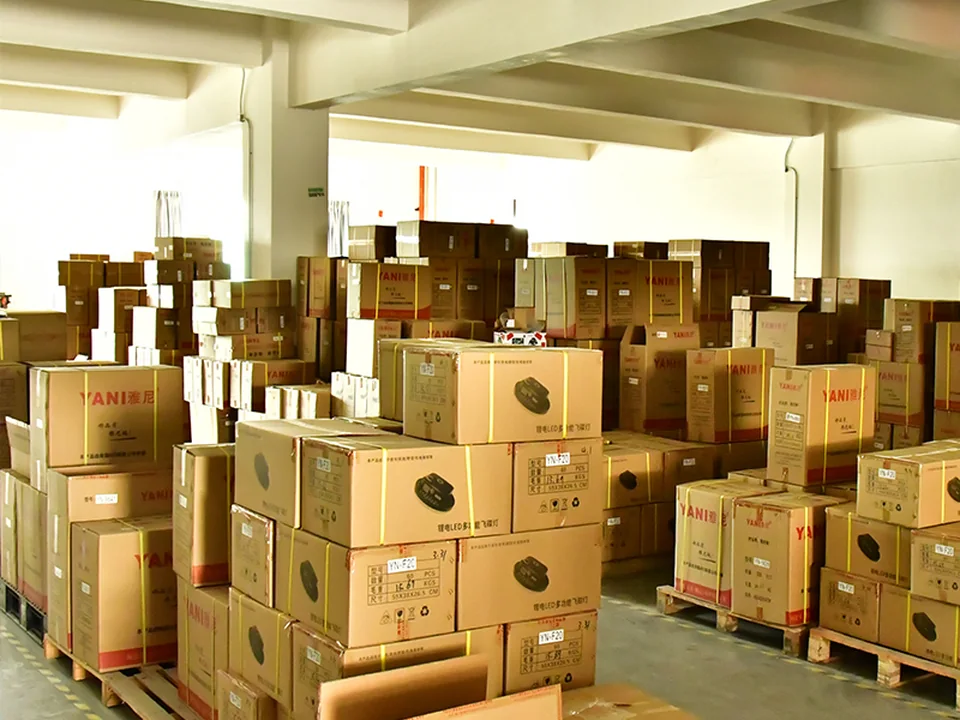
Ask for units per master carton, external carton dimensions, gross weight per carton, total carton count and total shipment volume. If pallets are planned, request their packed dimensions, gross weights and count separately. Mark early packing figures as estimates until the final configuration is settled.
These figures support a meaningful freight enquiry. DHL explains that shipping prices depend on weight, dimensions, route and service, and that chargeable weight may use the higher of actual and volumetric weight. DHL shipping cost guidance
Use the packed order figures for the freight request, including the agreed retail packaging and accessories.
4. Define the destination and freight scope
State the destination country and exact port, warehouse or delivery address, including the postal code when relevant. Specify whether you want a product-only quotation, a freight estimate or both. Identify your preferred transport method and whether your own forwarder will be involved.
When using an Incoterms rule, include the named place or port and the edition. ICC explains that the rules allocate obligations, risks and costs, and recommends making the location geographically specific. ICC guidance on Incoterms and commercial contracts
Ask the quotation to identify responsibility for clearance, duties, taxes, insurance and final delivery. Keep product and freight validity dates visible.
5. Keep the sample plan and bulk schedule separate
Request sample price, preparation scope and shipping cost separately from the bulk order. State whether you need a standard model for evaluation or a configured sample for approval. Ask which decisions must be confirmed before the production schedule begins.
Standard B06 samples are in stock; availability for other models, preparation and dispatch arrangements need project confirmation. For B06, the published production window is 10–20 days after order details are confirmed, excluding transport. Confirm timing for other models individually and allow separately for your review and shipping stages. See the B06 procurement details.
6. Compare the replies on one agreed basis
Create a comparison sheet with columns for model, configuration, quantity, unit price, one-time charges, packing data, freight scope, schedule and open questions. Check that alternatives use the same accessories, packaging and destination before ranking their totals.
Flag an unanswered item as pending. Ask suppliers to state proposed substitutions clearly so your team can decide whether they suit the product brief. Include the documents required for the destination and sales channel in the enquiry, with availability to be confirmed for the exact configuration. Resolve the material differences before selecting the sample route.
7. Send BAIFEI a brief the team can quote
Your first message can be concise: selected models; quantity per variant; destination; branding and colour requirements; packaging and accessories; sample needs; freight scope; and target arrival date. Attach your comparison format if you already have one.
For planning, standard B06 orders start from 200 pieces. Private-label branding starts from 500 pieces across all models, while custom colours and packaging start from 1,000 pieces across all models. Review the published BAIFEI sourcing options and request confirmation for your proposed order split. A clear RFQ gives the next conversation a useful focus: the configuration and terms your team can approve.
Continue your research: Explore the BAIFEI factory · OEM / ODM & private label · All buyer guides