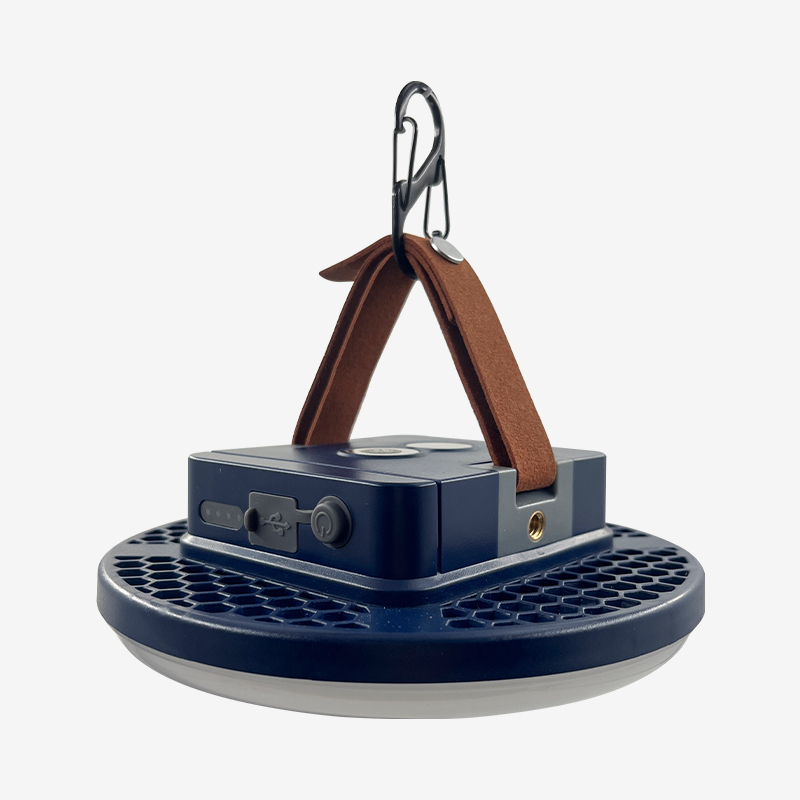
A charging socket is easy to show in a product photo. The charging experience takes more work to specify. For a camping-light importer or private-label brand, a useful sample review should establish which power sources work, what cable is supplied, how charging status is displayed and what customers should expect before their next trip. Treat these details as part of the approved product configuration. They belong in the purchase specification, the instruction manual and the checks used to release the order.
By BAIFEI Outdoor Lighting · Wholesale & OEM buyer guide
Separate the connector from the charging features
USB Type-C® identifies a connector system. It does not, by itself, confirm USB Power Delivery, a particular charging speed or a power-bank output. USB-IF explicitly distinguishes the connector from USB Power Delivery and explains that manufacturers choose which additional capabilities to implement. USB-IF language and product guidelines
For sourcing, translate that distinction into specific questions. What input voltage and current does this lantern accept? Which charging combinations have been checked? Is the port input-only? If the product can charge a phone, which output port and rating apply? Put the answers beside the model number rather than using a general statement about the entire range.
Build a charging specification before testing
A short specification helps purchasing, quality and marketing teams work from the same information.
- Charging input: Rated voltage, current and any supported charging protocol.
- Supplied cable: Connector at each end, length and approved cable reference.
- Power adapter: Included or excluded; exact specification if supplied.
- Status indication: Charging, full-charge and low-battery behaviour.
- Charging while lit: Whether supported and any operating restrictions.
- Power output: Whether offered, port used and rated output.
Keep the approved cable and adapter details with the sample record. A sample result is much easier to reproduce when the accessories are identifiable.
Check realistic cable and power-source combinations
Start with the cable included in the proposed retail box and a power source matching the manufacturer’s input instructions. Then identify other combinations your customers are likely to use, such as a suitable USB-A adapter, a USB-C charger or a power bank. Ask the supplier which combinations the selected model supports before including them in the test plan.
For each agreed combination, record whether charging starts, whether the indicator behaves correctly and whether the product reaches its documented full-charge state. Test the reversible connector in both orientations. Avoid turning one successful connection into a claim of compatibility with every charger.
If you want to advertise USB-C-to-USB-C charging, verify that combination expressly on the intended production configuration. Keep observations separate from any formal standards-compliance conclusion. A practical compatibility check supports purchasing decisions; it does not establish USB certification.
Measure charge time under stated conditions
Ask for the starting battery condition, power-source specification, cable and ambient conditions behind a charging-time claim. Also establish whether the light was switched off during the measurement. These details make results from two samples meaningfully comparable.
Use the same procedure when checking a replacement cable or a changed battery configuration. Record the indication used to define completion, and repeat unexpected results before approving the printed claim. Do not calculate a promised charging time from battery capacity and an adapter’s headline wattage alone.
If charging while illuminated is a required feature, request a separate approved test procedure. Confirm both the lighting behaviour and what the indicator means during simultaneous use.
Keep charge time separate from operating time; our camping-light runtime guide explains the battery-side buying questions.
Make the instructions match the sample
Check that the retail box, manual and online listing describe the same input and accessories. State clearly whether an adapter is included. Explain the indicators in the customer’s language and show the charging-port location with an accurate product image.
Use terms such as “fast charging” or “power bank” only when the exact function and supporting specification have been confirmed. For a claimed phone-charging feature, ask for its output rating and practical limitations separately from the lantern’s own charging input.
Request a configuration-specific quotation
Send BAIFEI the model, order quantity, destination market, preferred cable arrangement and any charging claim you intend to print. Start with the camping-light collection and request the relevant sample and specification.
Samples are in stock, with preparation and shipping arrangements confirmed in the quotation. For B06, the standard MOQ is 200 pieces. Private-label branding starts from 500 pieces across all models. Approve the charging configuration before finalising the artwork.
USB Type-C® and USB-C® are registered trademarks of USB Implementers Forum.
Continue your research: Battery capacity and operating time · OEM / ODM & private label · All buyer guides