A B06 private-label camping light order should start with a written model and configuration brief, then move through sample evaluation, branding approval, packaging approval and a final production sign-off. Each stage should produce a dated record that the buyer and supplier can compare against the finished goods.
The practical aim is to connect the light you approve with the description on its label, manual, barcode record and retail box. This guide turns the B06 rechargeable camping light into a specific order brief, with clear decisions at each approval point.
1. Define the B06 configuration before asking for a quote
Begin with the intended sales channel, destination market and use case. A camping retailer, an outdoor distributor and a promotional buyer may need different packaging, instructions and order quantities even when they start with the same base light.
The published B06 reference specification includes nominal 2,000-lumen output, a 13,500 mAh battery and USB-C charging. Treat these as the starting point for discussion and request confirmation of the configuration being quoted. If a seller SKU will use different accessories, packaging or product markings, name those differences in the brief.
Before selecting B06, compare its fit with the B06, B01, B02 and B05 camping light comparison. For runtime claims, use the camping light battery and runtime guide to identify which operating mode and test conditions need clarification.
Approval output: one configuration sheet with a revision number, required accessories, proposed private-label changes and open questions. Keep unresolved items visibly marked as pending.
2. Evaluate and identify the reference sample
Request a sample that represents the proposed order configuration as closely as possible. If it uses standard branding or temporary packaging, record those differences before evaluation. A standard sample can support a product decision, but it cannot confirm artwork or packaging that has not yet been produced.
- Check the charging connection, controls, available light modes and accessory contents against the brief.
- Evaluate the light in the intended setting and record the selected mode, charging conditions and observation period.
- Photograph the sample, its markings and included parts; give the sample a unique reference.
- List accepted features, required changes and questions needing a supplier response.
Do not carry a runtime figure from one operating mode onto packaging as if it applied to every mode. Any performance statement planned for the box should be tied to the agreed configuration and supporting information.
Approval output: a sample decision sheet identifying the sample, date, accepted configuration and outstanding changes. State whether a revised sample is required before proceeding.
3. Approve branding and product information together
Send the logo artwork with its intended position, size and color reference. Ask for confirmation of the available marking method and whether a physical branding sample is needed. A digital layout can establish placement; check the finished appearance on a sample when that is a purchasing requirement.
Create a shared information sheet for the model name, buyer SKU, product description, charging information and included accessories. Use it as the source for every customer-facing file. If the retail name differs from the supplier model B06, keep the mapping visible in the order record.
Review documentation needs for the agreed configuration and destination market through the BAIFEI File Center. Confirm the exact model and configuration covered by any available document before using its contents or associated claims.
Approval output: approved logo placement plus a controlled product information sheet. Record who owns the final review of translations, label wording and market-specific requirements.
4. Approve the complete packaging set
Review the product label, manual, barcode and box side by side. The buyer SKU and model mapping should remain consistent, accessories should match the packed contents, and performance wording should match the approved specification. Scan the proposed barcode and compare the result with the buyer’s assigned item record.
Check that the manual describes the controls and modes present on the approved sample. Confirm the language set, artwork revision, box dimensions and proposed inner packing. If packaging protection matters to the intended shipment or retail channel, agree the evaluation method and required evidence before release.
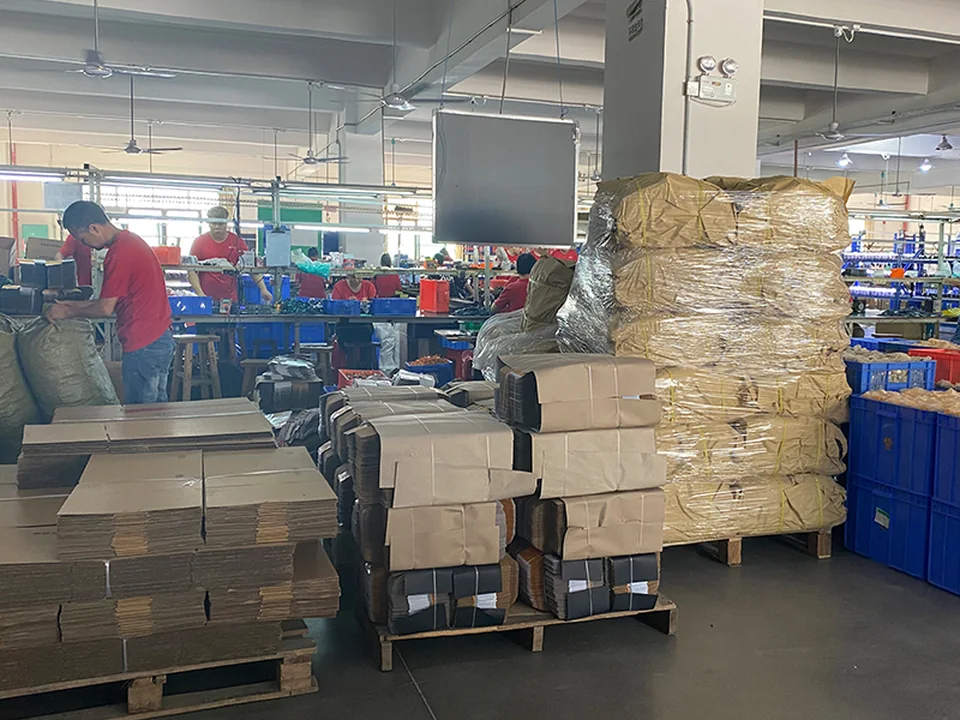
Use the broader private-label outdoor lighting packaging checklist for individual packaging items. For B06, keep the signed packaging set attached to the same configuration sheet used for sample approval.
Approval output: one approved set of print files, with filenames, revisions and a record of any physical packaging sample reviewed.
5. Record the production release and change procedure
Before release, reconcile the quotation, purchase order, sample record and artwork set. Confirm the ordered configuration, quantities, included items, commercial terms and agreed inspection criteria in writing. Ask the supplier to identify any remaining difference between the approved sample and the proposed production goods.
Keep MOQ, sample charges and timing as quotation-specific fields. Read the OEM camping light MOQ, sample and lead-time guide for the factors to discuss; do not treat an earlier standard-product quote as approval of a customized order.
Approval output: a dated release referencing the exact sample and document revisions. Agree that later changes require written review and identify which changes need another sample or artwork approval.
A ready-to-send B06 RFQ template
Copy this table into your inquiry and replace the bracketed fields. Mark undecided details as questions so the supplier can address them in the quotation.
| Field | Buyer brief |
|---|---|
| Base model | B06; please confirm the current quoted configuration. |
| Market and channel | [Destination country, retailer/distributor/brand, intended use] |
| Quantity | [Trial quantity and expected repeat quantity]; please quote the applicable MOQ. |
| Product and accessories | [Required configuration, charging accessories and packed contents] |
| Branding | [Logo file, placement, size and color reference] |
| Packaging | [Box format, manual languages, buyer SKU and barcode source] |
| Sample and documents | [Sample quantity, evaluation needs and configuration-specific documents requested] |
| Schedule and delivery | [Target date and delivery location]; please confirm feasibility and terms. |
| Approval contact | [Person responsible for sample, artwork and production release] |
B06 private-label order FAQs
Can a standard B06 sample approve a private-label order?
It can support evaluation of the represented product configuration. Logo appearance, custom packaging and any changed components need separate approval records or a revised sample, as agreed with the supplier.
When should the buyer approve the barcode and manual?
Review them with the final product information and packaging artwork before printing. Check that the scanned barcode, buyer SKU, model mapping and manual all identify the intended product.
What if the configuration changes after sample approval?
Record the change and its effect on specifications, artwork, documents, cost and timing. Agree which approvals must be repeated before the changed configuration is released.
Start your B06 private-label brief
Review the private-label outdoor lighting options, then send your B06 order brief with the target market, quantity, branding files and packaging requirements to request a configuration-specific quotation and sample plan.
Sources: B06 product information, private-label program and file-request process, consulted 8 September 2026. Final configuration and commercial terms follow the written quotation and approvals.